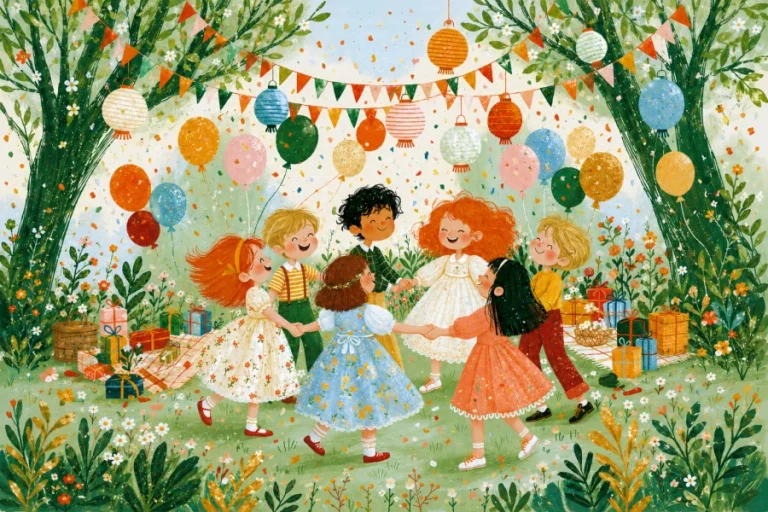
Kids party planning becomes much easier when the celebration has one clear center before decorations, snacks, and games begin competing for attention. Parents often start with charming inspiration, then discover that the theme, guest count, food, helpers, and timeline all need decisions at the same time. A calmer approach begins with the party’s real job: helping children feel celebrated while keeping the day safe, friendly, and manageable. When the plan is written down early, every later choice has somewhere to belong. The party can still feel colorful and spontaneous, but the host no longer carries every moving part in their head. That shift makes the difference between a day that looks cute and a day that actually runs smoothly.
Why Kids Party Planning Starts With the Party Brief
The party brief gives the celebration a practical frame before shopping turns into guessing. It should name the child’s age, preferred theme, guest range, location, party length, and one backup option that works if weather, energy, or space changes. A written planning system helps parents separate must-haves from nice extras before the cart fills with unrelated supplies. This early step also makes it easier to explain the plan to grandparents, helpers, or a co-host who joins later. Instead of answering every question from memory, the host can point back to the same simple direction. That creates consistency without making the party feel overmanaged.
How Kids Party Planning Keeps the Guest Count Realistic
The guest count should shape the space, food, activities, supervision, and even the mood of the afternoon. A small living room party may work beautifully for six children, while the same plan can feel crowded and tense with fifteen. Setting the number before invitations go out protects the budget and prevents the setup from becoming too ambitious. Parents can then match the room layout to actual movement, including arrival, play, food, cake, gifts, and pickup. This kind of planning is not about limiting joy, because children usually enjoy parties more when the space feels comfortable. A realistic guest count simply gives the celebration enough breathing room to unfold well.
Food, Cake, and Activities Need One Shared Timeline
Many parties become stressful because food, cake, photos, activities, and parent conversations all land in the same crowded window. A stronger timeline gives each major moment enough space, then adds short buffers where children can transition without feeling rushed. Using a party-day checklist can help parents place arrival play, main activities, calmer moments, cake, and pickup in a sequence that makes sense. The plan should also identify when food comes out, when candles happen, and when helpers need to reset the room. Children may not follow timing perfectly, but adults benefit from knowing what comes next. The written flow becomes a guide for decisions, not a script that steals the fun.
Where Kids Party Planning Often Breaks Down
The most common breakdown happens when every role belongs to one person, even if several adults are present. Someone needs to manage the door, someone should watch food and drinks, and someone should help redirect children when energy spikes. Assigning those jobs beforehand avoids the awkward moment when everyone sees a problem, yet nobody knows who should solve it. A quick helper briefing can cover bathroom location, allergy notes, activity timing, and the cleanup plan. This does not need to feel formal, especially for a casual party at home. It simply gives the host enough support to enjoy the child’s celebration rather than supervise every corner alone.
Safety Checks Work Best at Child Height
A final safety sweep should happen from the perspective of the children who will use the space. Adults often scan the room at eye level and miss cords, sharp table corners, open doors, crowded walkways, or small items within reach. Before guests arrive, walk through the party area slowly and imagine children moving with excitement rather than caution. A final setup routine can make that sweep less forgettable when the cake, camera, and decorations demand attention. Check food placement, activity supplies, exits, water access, and any outdoor boundaries. The goal is not perfection, but a safer environment where adults can respond early instead of reacting late.
What Kids Party Planning Makes Possible on the Day
When the practical pieces have somewhere to live, the party can feel more generous and less frantic. The host knows the guest count, helpers know their roles, food has a timing plan, and activities have a clear order with room for flexibility. That preparation leaves more attention for the child’s face when guests arrive, the funny moment during a game, or the quiet pause before cake. Children remember the feeling of being celebrated more than the precision of the decorations. Parents remember whether they could breathe while the celebration unfolded. With one calm center, the party becomes easier to host and easier for children to enjoy.