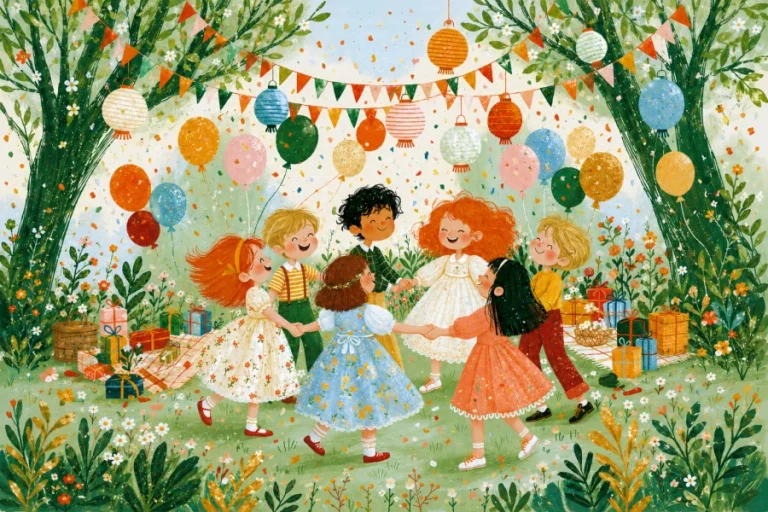
Preschool party planning asks for a different kind of rhythm because little children can love a celebration and still become overwhelmed by noise, waiting, transitions, or long instructions. The best preschool party is usually not the most elaborate one, but the one that understands attention spans, comfort objects, simple food, and watchful care. Preschool party planning should create cheerful structure without making children feel trapped inside a schedule that is too rigid for their age. Short activities, clear spaces, and a gentle flow allow the party to feel lively without becoming exhausting. That kind of structure also helps visiting parents understand what is happening, which reduces interruptions and keeps the room feeling steady. Parents can still use a theme, decorations, and games, but every detail should serve the child’s real capacity. That makes the day easier for guests and kinder for hosts.
Why Preschool Party Planning Starts With the Right Length
Length shapes almost every preschool decision, from food timing to game choice and the number of transitions children must manage. A shorter party can feel generous when it includes arrival play, one main activity, food, cake, and a calm farewell. A preschool-paced party plan helps parents avoid stretching the day just because older children might tolerate more. Young guests often enjoy themselves most when the celebration ends before energy unravels. The host can then focus on a few reliable moments rather than filling every minute. A thoughtful length protects the sweetness of the party and reduces the chance of tears near pickup.
How Preschool Party Planning Balances Games and Rest
Games for preschoolers need easy entry points, visible materials, and instructions that adults can explain in a sentence or two. Classic movement games, simple hunts, parachute play, and cooperative activities can work well when waiting time stays short. Resting options matter just as much, especially when children need a break from noise or group attention. A small making table, reading blanket, or sensory bin can keep the party welcoming for quieter guests. The host should not treat rest as failure, because young children often return to group play after a calmer pause. Balanced planning respects how preschool energy rises and falls throughout the event.
Simple Food Supports the Flow
Food should be easy to recognize, easy to serve, and safe for the guest list, rather than becoming another complicated party performance. Bite-sized options, clear allergy notes, labeled adult-only items, and spill-ready cleanup supplies can make serving less disruptive. Using a little-kids party resource helps parents place food at the right point in the schedule instead of waiting until children are overtired. Keep seating flexible, but make sure children have somewhere stable to eat. Drinks should be simple, reachable, and supervised to avoid spills that interrupt play. When food supports the flow, the party keeps moving without feeling rushed.
Watchful Care Matters More Than Perfect Decor
Decorations can set the mood, but watchful care keeps the party comfortable for children who cannot always explain what they need. Assign adults to specific zones, especially near doors, bathrooms, food, outdoor edges, and active games. Preschoolers may wander, freeze, become shy, or suddenly need help with shoes, spills, or feelings. The host should know which adults can step in without waiting for instructions. This does not require a formal security plan, but it does require attention. A beautiful party can still feel stressful if supervision is unclear. With watchful care in place, decorations become a backdrop rather than the main source of success.
Preschool Party Planning Works Best With Flexible Transitions
Transitions deserve extra care because preschoolers can struggle when one fun thing ends abruptly and another begins with no warning. Give a simple cue before moving from play to food, from food to cake, and from cake to farewell. A gentle party flow can help hosts decide where to place buffers, songs, cleanup cues, and adult support. Children may need time to finish a craft, say goodbye to a game, or understand why candles are coming next. Flexible transitions prevent the schedule from feeling like a series of interruptions. They also help parents maintain warmth while still guiding the group.
Where Preschool Party Planning Creates the Memory
The memory of a preschool party often lives in small details rather than a flawless theme. A child may remember being greeted by name, choosing a sticker, dancing with a friend, or hearing everyone sing around the cake. Parents may remember that the day felt manageable because the length, food, games, and supervision matched the age group. That kind of success does not require constant entertainment or expensive styling. It requires a clear sense of what little children can enjoy with comfort. When the party honors their pace, the celebration feels bright, safe, and full of moments worth keeping.